Why I Started This Podcast (A Car Accident Changed Everything) | David Shaft, Episode 1
- David Shaft
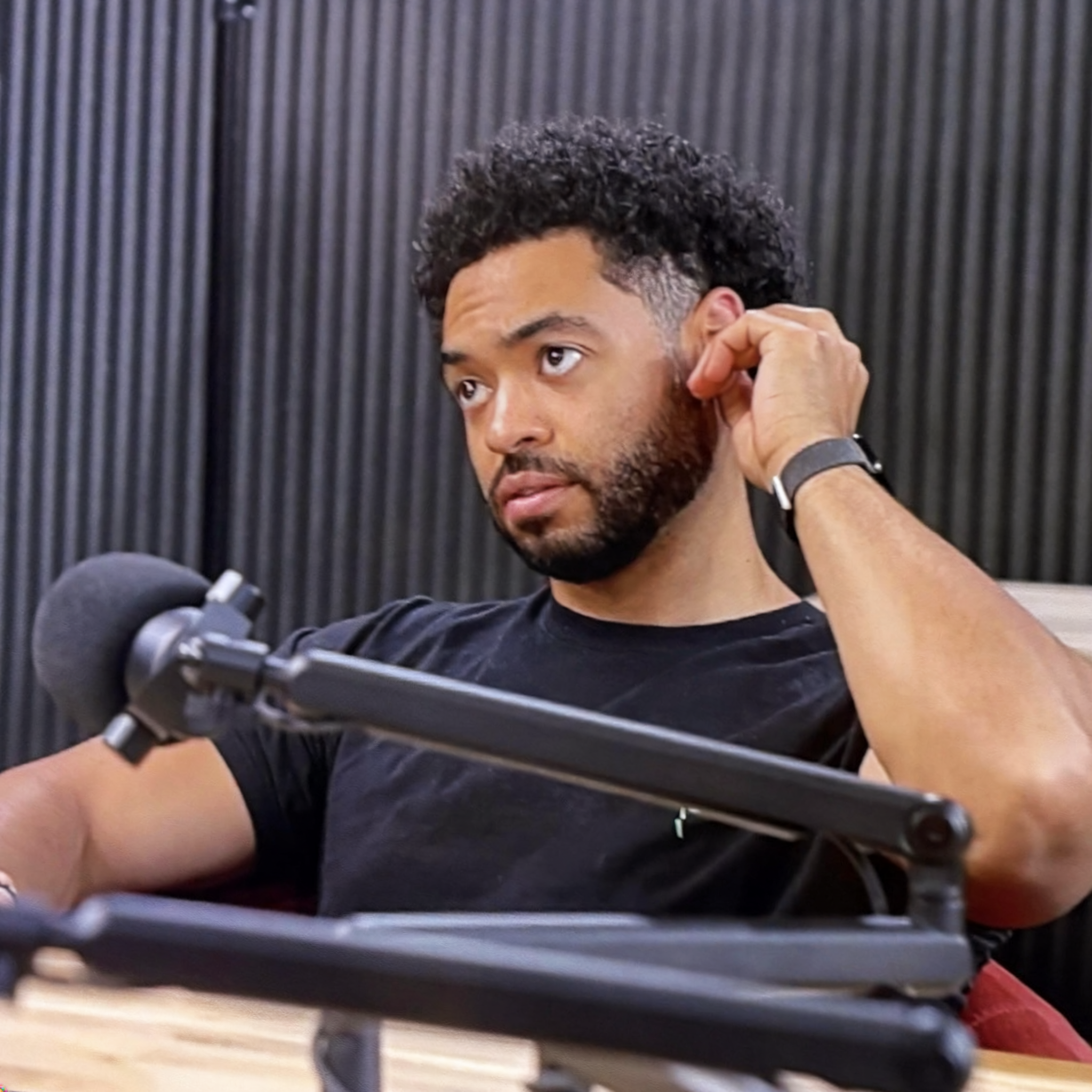
- May 31, 2023
- 4 min read
Updated: 6 hours ago
Most people who start a communication podcast do it because they studied communication in school or built a speaking career. That's not my story. I started Conversations That Count because a car accident put me flat on my back for months, took away every conversation I relied on, and forced me to see something I had been missing: most people stop communicating long before anything dramatic happens to them.
My name is David Shaft. I'm a director at a bank. I lead a team of 40 people. And somewhere between the hospital and the couch, I got clear on why communication skills are the most underrated tool any professional carries.
What Silence Taught Me About Communication
When the accident happened, I lost access to my daily life. No team. No water cooler conversations. No meetings, no check-ins, no drive-throughs where you actually talk to another human being. Just quiet.
Most people think silence is a break. I found out it's a mirror. Lying there, I kept replaying conversations I had gotten wrong. Things I said that landed sideways. Things I left unsaid that I should have put into words. The silence gave me an honest picture of how I was actually communicating versus how I thought I was communicating. Those two things were not the same.
That gap is where most careers stall. You think you're connecting. You think your message is clear. You think your team knows you have their back. But if you haven't said it directly, specifically, and consistently, they don't know any of it.
Why a Banking Director Needed a Communication Podcast
I've spent years in professional development and leadership. I've read the books. I've sat through the trainings. I've taken the courses on workplace communication and executive presence. And I'll be honest with you: most of that content is not built for the person actually doing the work.
It's built for a general audience. It gives you frameworks and models and theory. What it rarely gives you is a real conversation with someone who has been in the room, made the mistake, recovered from it, and can tell you exactly what they changed.
That's what I wanted Conversations That Count to be. A leadership podcast that sounds like a conversation, not a lecture. A place where I bring guests who have built something real and we talk about how communication shaped what they built.
The Real Reason Most People Stop Communicating
Here's what I observed in the months I spent recovering. The people who checked in on me regularly were the ones I had real communication with before the accident. Not the ones I saw the most often. The ones where we actually talked.
Most professional relationships run on surface-level exchanges. Status updates. Quick replies. The bare minimum to keep things moving. That's not communication. That's information transfer. And when the routine breaks down, when someone gets hurt or leaves or the team reorganizes, those shallow connections disappear.
Real communication requires intention. You have to decide to go deeper. You have to ask the follow-up question when you have somewhere to be. You have to share something real when small talk would be easier. That's a skill, and it's one most professionals never actively practice.
What This Podcast Is Actually About
Conversations That Count covers communication in the real world. How a 20-year-old model books clients by being the one who actually talks to people. How a company president with 25 years of experience signs his emails "Just Vinnie." How a woman who left a career in political media found her authentic voice. These are real people making real decisions, and communication is at the center of every single story.
I'm not here to teach you to be someone else. I'm here to help you be a sharper, more intentional version of who you already are. That starts with understanding how your words land and choosing them on purpose.
Professional development without communication skills is a plan without a voice. You can have the strategy. You can have the work ethic. But if you can't articulate your value, your ideas, and your vision in a way people can receive, you're leaving results on the table every single day.
Key Takeaways from This Episode
A car accident and forced silence revealed how much of David's daily communication was on autopilot rather than intentional.
The gap between how you think you're communicating and how others actually receive your message is where most careers stall.
Real communication requires a decision to go deeper, not just exchange information.
A leadership podcast built on real conversations is more useful than theory-heavy training that doesn't connect to the actual work.
Communication skills are the foundation of every professional outcome, and most people never actively practice them.
About This Episode
This is the solo debut episode of Conversations That Count with David Shaft. David is a director of banking who leads a team of 40, a professional development advocate, and the host of a communication podcast built for people who want to actually get better. If this is your first episode, Episode 4 on why the most interesting person in the room never talks the most is a strong second listen.
Watch and Listen to the Full Episode
Level Up Your Communication Skills
If this conversation resonated with you, download The Communication Playbook, a free guide to the frameworks and strategies guests on Conversations That Count use to communicate, lead, and win.
Get your free copy: https://conversations-that-count.kit.com/e7fa86a708
FLAG: NO TRANSCRIPT. Blog post generated from metadata only. Paste transcript to generate full version.
Comments