A Biomedical Engineer Explained Why Anyone Can Make It in Music | Danny McDermott
- David Shaft
- Apr 28
- 3 min read
Updated: May 3
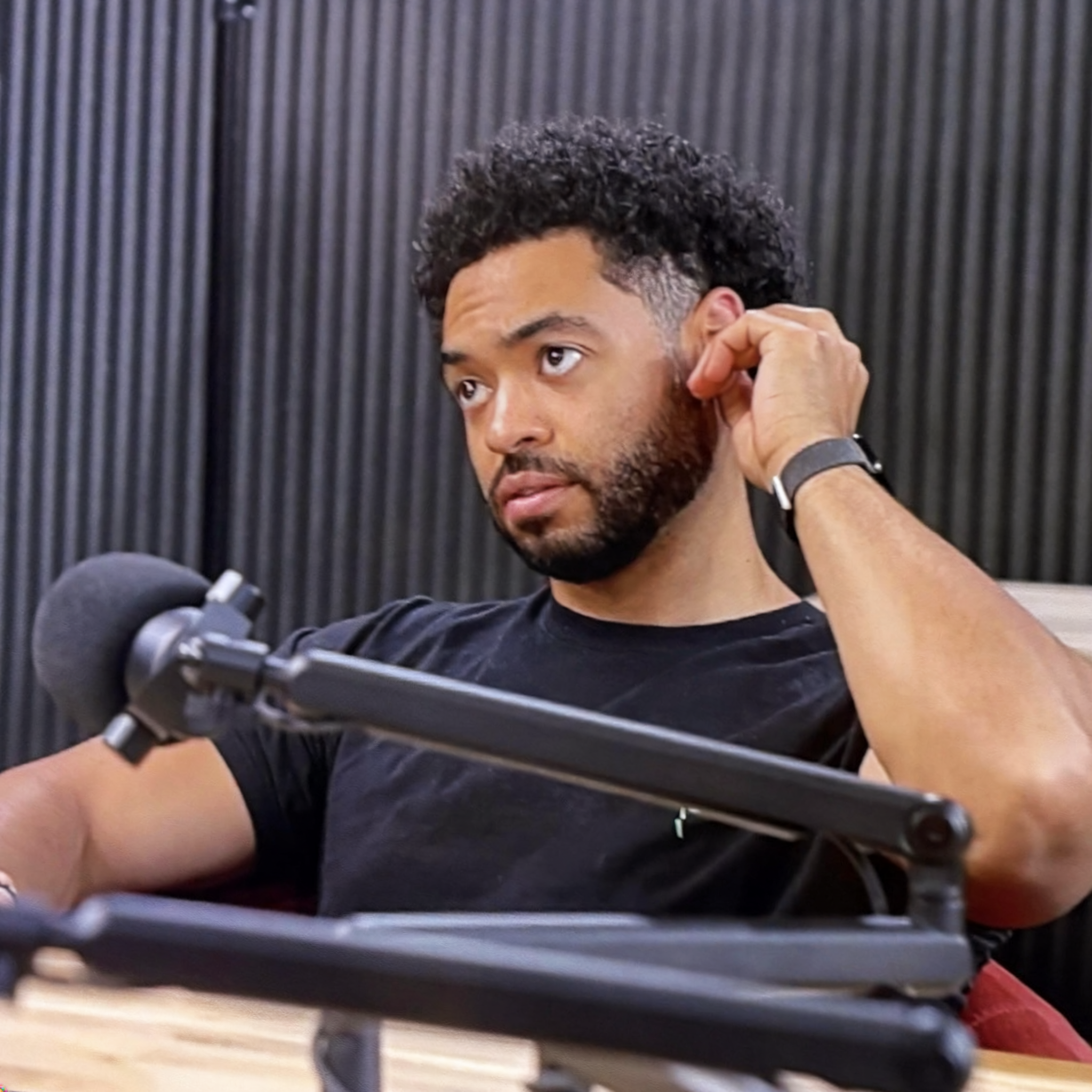
A guy with a master's in biomedical engineering told me his day job is the exact reason his music career is going to work. That sounds backwards. Most people who chase a creative career are told to quit the day job, burn the boats, commit. Danny McDermott says the opposite. He says the day job is the weapon, and the people who treat it like a cage are the ones who never finish anything.
Danny is a singer songwriter from Chicago. Engineer by training, musician by intent. We sat down for this episode of Conversations That Count, recorded out of Detroit, and what came out of it is a working philosophy on creative discipline that anyone in any leadership or professional development phase of their career can use immediately.
The first thing he said that stuck with me was about balance. Most people frame balance as standing still in the middle of the seesaw. Danny doesn't. He frames it as walking a tightrope. "Balance is dynamic," he said. "If we use an analogy of someone walking on a tightrope, they're not perfectly standing still. They're easing carefully, but in control, from one side to the other." That reframe matters. It gives you permission to be off balance for a stretch as long as you keep moving. It's a communication move he uses on himself when life feels unstable, and it's a communication move you can borrow.
The second thing was the framework Danny uses to build a music career, and the reason it matters for anyone with a side project: music, legal, branding, marketing. Anyone can write a song. Anyone can register a copyright. Anyone can build a brand. Anyone can market what they make. Danny's argument is that the work isn't mystical, it's just sequential. He pairs this with the Atomic Habits principle of stacking one skill at a time before adding the next. You don't get good at all four at once. You get good at one, then layer.
Then there's the day job. "I can say no to things because I have a day job," he told me. "I don't have to take five or six bar gigs to make fifty or a hundred bucks." That's the communication superpower most professionals never claim. The ability to say no, to your boss, to a client, to a venue, to a deal that doesn't fit, is bought with the safety net the day job provides. Most workplace communication advice tells you to find your voice. Danny's version is sharper for working professionals: build the financial floor that lets you use it.
Danny made one statement near the end of the episode that I keep coming back to. "I want to hammer home that anybody can do this. I do believe that. If you've been wanting to, if you've been dreaming about it, you can do it." He's not selling motivation. He's making an argument grounded in a master's degree, a steady job, and a discipline of saying no. The leadership move embedded in that line is permission, given to himself and now to anyone listening.
The episode goes deeper on Michael Jackson's writing discipline, the Harrison Ford carpenter story, Rick Rubin's framing of starters versus finishers, and Noah Kahan grinding for nearly a decade before Stick Season made him an overnight name. Each of these is its own communication skills lesson on patience, longevity, and the way successful professionals talk to themselves about timelines that don't match their ambition.
The Try This Tomorrow takeaway is two steps. First, define your dream concretely. What specifically is it? Second, define what success looks like for that dream. What does the math have to be? Write it down. That's how an engineer would approach it, and that's why the engineer is going to make it in music.
If you've been telling yourself the day job is the thing keeping you from your real work, this episode will challenge that. Danny would say the day job is the thing protecting the real work. Listen to the full conversation and decide for yourself.
Watch and Listen
Level Up Your Communication Skills
Download The Communication Playbook. Free. Built around the frameworks and conversations from this show.
Get your free copy: https://ctcpodcast.media/free-playbook
Comments